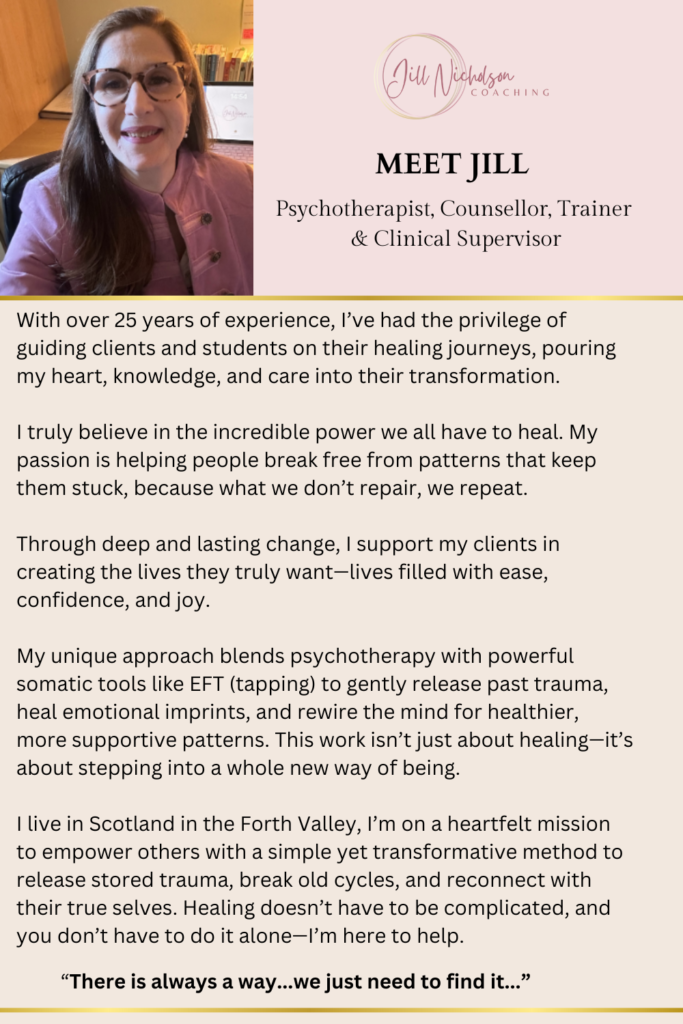
Hi there, I’m Jill. I’m a psychotherapist with over 25 years of experience, and also an ex-emotional eater who lost—and kept off—120 pounds after learning one life-changing truth: it was never just about the food.
In this blog, we’re going to explore something that has transformed not only my relationship with food but the lives of many of my clients too. We’re talking about the mindset and habits of people who have a naturally peaceful, balanced relationship with food. This is not about comparison or impossible standards. It’s about observing, learning, and gently reprogramming the patterns that no longer serve us.
⚠️ Before We Begin: A Note on Language
Let me be honest: I agonised over the title of this blog. I’m not a fan of labels like “slim” or “thin” because they can carry so much emotional weight. But I couldn’t find a better shorthand to describe the core idea: people who maintain a healthy body size without obsessing over food. So please know this is not about judgement. It’s about finding freedom.
Let’s dive in.
🔹 1. Eat When Hungry, Stop When Satisfied
This seems simple, but for emotional eaters, it’s huge.
🔑 Key mindset shifts:
- Eat in response to physical hunger—not habit or time of day
- Stop eating when you’re satisfied, not stuffed
- Pause during meals to check in with your body and fullness of your stomach.
▶️ Practice Tip: Start by noticing physical cues like a growling stomach, low energy, or slight shakiness. When eating, pause halfway through to ask: “Am I still enjoying this? Am I full yet?”
🔹 2. No Food Is Off-Limits
Balanced eaters don’t label food as “good” or “bad.” Restriction fuels obsession. When nothing is forbidden, food doesn’t hold power over you.
🔑 Key mindset shifts:
- All foods fit within a balanced lifestyle
- No more “last supper” eating before a new diet
- Pleasure is allowed without guilt
▶️ Practice Tip: Remind yourself, “I can have this again if I want it—just not all at once, and not all the time.”
🔹 3. No More Secret Eating
This one hit me hard. I looked like I ate “normally” in public, but in private? It was a different story.
🔑 Key mindset shifts:
- Shame thrives in secrecy
- You deserve to eat openly, without guilt
- Noticing your patterns brings power back to you
▶️ Practice Tip: Use the word notice—not judge. Just notice what you eat, when, and why. Bring your eating out into the light.
🔹 4. Food Isn’t Their Emotional Outlet- They Don’t Attach Emotions to Food

People with a peaceful relationship to food have other ways to process emotions.
🔑 Key mindset shifts:
- Food doesn’t fix feelings
- Emotional hunger isn’t true physical hunger
- Movement, journaling, or connection can meet your needs
▶️ Practice Tip: When overwhelmed, move your body. Even 5 minutes of walking, bouncing, or stretching can shift your emotional state.
🔹 5. They Don’t Fantasise About Food
This was revolutionary for me. I realised cravings often begin in the imagination.
🔑 Key mindset shifts:
- Fantasising about food creates unnecessary desire
- Trust that food will be available when you’re hungry
- “No thank you” can be calm, confident, and empowering—without a hint of deprivation.
▶️ Practice Tip: If you’re full but tempted, say to yourself, “I can enjoy that later when I’m truly physically hungry.”

🔹 6. They’ve Broken Free from Old Food Rules
Many of us were raised with well-meaning food rules like “clean your plate,”or “don’t waste food”. These messages often came from a place of love or practicality—especially in households where food was scarce or meals were hard-earned.
But here’s the truth: continuing to live by those rules can keep you disconnected from your body and stuck in cycles of guilt and overeating.
People with a balanced relationship with food don’t eat out of obligation. They’ve learned to listen to their body’s cues rather than outdated rules. They understand that stopping when they’re full is a form of self-respect—not waste.
🔑 Key mindset shifts:
- You are not a food bin you are a body. You’re allowed to leave food on your plate.
- Just because something was taught doesn’t mean it’s still helpful.
- Feeling full is a cue to stop—not a challenge to override.
- Your body knows best—not diet culture or old conditioning.
▶️ Practice Tip:
The next time you feel the urge to keep eating even though you’re full, pause and ask:
- Whose voice is this?
- Do I actually believe this, or was I taught it?
- What does my body need right now?
Then, choose based on your present needs—not the story you inherited. That’s how you begin reclaiming food freedom.
✨Final Thoughts: Small Shifts, Big Change✨
This isn’t about doing all of these things perfectly overnight. It’s about awareness. It’s about choosing one small shift at a time and practicing it with compassion.
💥 Your Next Step:
- Pick one habit this week and focus on it
- Practice it consistently and gently
- Add another habit next week
You deserve peace with food. You deserve to feel empowered, nourished, and free.
And remember: You are not broken. You are becoming.
📘 Want to go deeper?
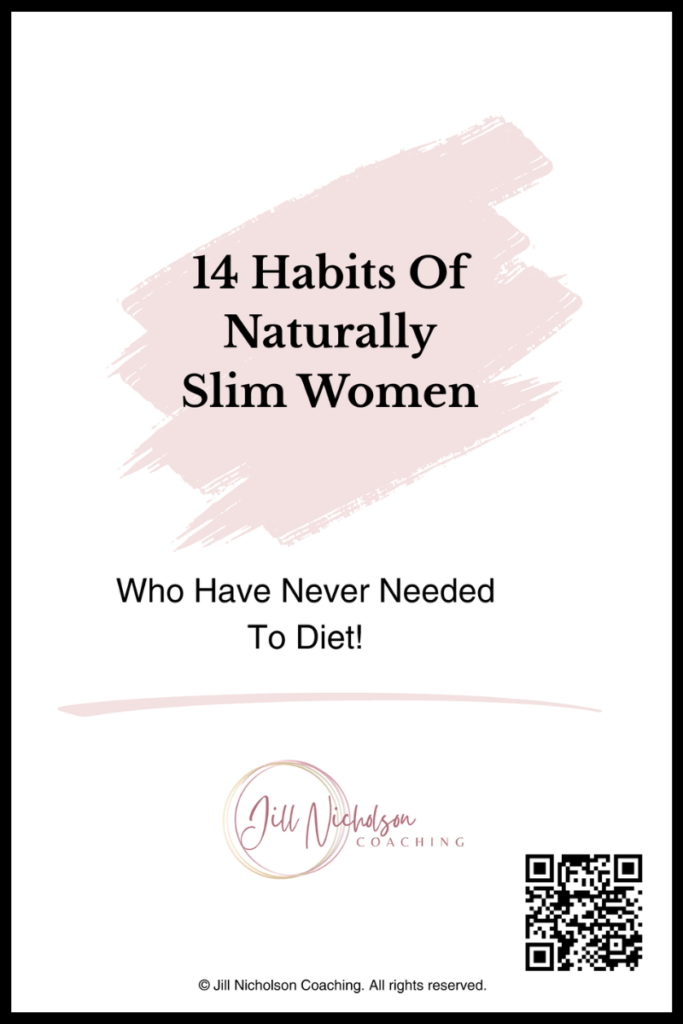
💥🚨 Download my FREE mini-ebook: 14 Habits of Naturally Slim Women💥🚨
Inside, you’ll find seven additional habits—real golden nuggets—that didn’t make it into this blog but are absolutely essential for building lasting food freedom.
💥 For a limited time, it’s yours completely free 💥
Craving real, practical support to stop emotional eating?
🎥 Head over to my YOUTUBE CHANNEL 🎬
for empowering tips, personal insights, and strategies that actually work—because lasting change starts with understanding.